
Digital Payment Ecosystem: Trends and Benefits
Digital financial services are becoming increasingly popular and an indispensable part of our daily lives. These services include e-wallets, online payments, digital banking, and QR code scanning, making all financial transactions easier than ever. Instead of having to carry cash or a bank card, with just a smartphone with an Internet connection, you can transfer money quickly.
The digital payment ecosystem does not only help users save time but also brings many other benefits. Especially for students, these services create a convenient, flexible, accessible payment method that suits their daily financial needs. E-wallets or digital banking applications help students easily transfer money to friends, top up their phones, pay tuition, or even buy books and study materials with just a few taps. Not having to worry about carrying cash or bank cards helps minimize the risk of loss and creates a fast, safe transaction experience.
However, with the strong development of digital payment services, security risks are increasing. Fake calls asking for OTP codes or fake websites and applications are becoming more and more sophisticated. Therefore, protecting personal information and accounts becomes extremely important.
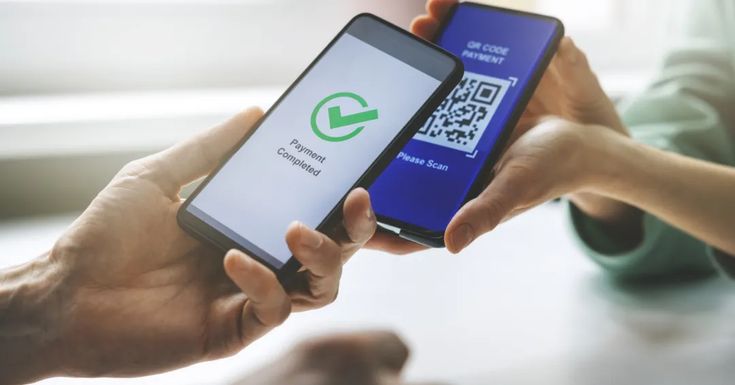
Digital payment services (Source: Pinterest)
So who holds the key to the wallet?
The answer is: You, but you are not always aware of it. When an e-wallet is attached to your identity, bank account, and spending habits – it is not just a tool, but a part of your digital identity. Therefore, there are always potential risks when using digital payment services
Risks from fake links and applications
Another scam that students are likely to encounter is transferring money through fake links, fake websites or applications. Scammers can create websites or applications that look exactly like legitimate e-wallet applications and send links via email, text messages or social media groups. When you click on these links, you may need to log in to “verify information” by entering your username and password, which will be collected and used by the scammer to gain access to your account. Not only stopping at financial fraud, scammers can also hijack iCloud accounts if you are not careful. Students who regularly search for discounted services and promotions on social media can easily fall into this trap. Not to mention, fake apps can contain malware that, when downloaded, will steal users’ personal information, or even transfer money from your account without your knowledge.
The unpredictable danger of fake QR codes
One of the dangers that is becoming increasingly popular is the use of fake QR codes at cafes or stores. This is a convenient payment method, however, scammers can take advantage of this popularity to paste fake QR codes on real codes at cashiers or on payment tables. When users scan this QR code, instead of paying for the store, the money will be transferred to the scammer’s account without the user knowing. Students, because they often scan QR codes to pay for meals or drinks, easily become targets of this type of fraud. In particular, because of the convenience of QR codes, many people rarely check the information carefully before confirming the transaction.
Risks from weak security
Although digital payment services are becoming more and more secure, sometimes our own habits unintentionally create “security holes”. Many people still have the habit of using easy-to-remember passwords, or even using the same password for many different accounts, making it easy for bad guys to “crack” accounts with just a few clicks. And if you do not enable additional security features such as two-factor authentication (2FA) or fingerprint security, it is even easier for your account to be hacked. In fact, such habits can be a major weakness in protecting your account, especially when you leave an easy-to-guess password. Just being a little more careful in changing your password regularly, using complex passwords, and enabling additional layers of security, you can protect your account from unfortunate risks.
Leaking personal information and accounts
When using e-wallets, users often have to provide personal information such as phone numbers, emails, ID/CCCD numbers, or even bank identification information. Storing and sharing this data in a digital environment poses a risk of information theft, especially when users log into e-wallets via public devices, unsecured Wi-Fi networks, or install applications from unofficial sources. Once personal information is leaked, the consequences can go beyond losing money: users may have their identities impersonated, borrow money from black credit, or have their privacy seriously violated.