
In 2018, a study by the Institute for Social Development Studies conducted in four provinces in Vietnam found that up to 60% of young people from secondary to university level had experienced at least one case of sexual harassment. More broadly, in the 2021 Overview of Gender Equality in Vietnam, UN Women pointed out that nationwide, the proportion of women who have experienced sexual harassment in their lifetime is about 11.4%, meaning that one in every ten women has experienced at least one form of sexual harassment. What is even more distressing is that many cases of sexual harassment are still unreported, and because of the sensitivity of the issue, the data collected is only a small part of the actual situation.
One in every ten women is a victim of sexual harassment
In reality, awareness of sexual harassment remains low and some victims do not even know they are being harassed. According to a study by the Institute for Social Development Studies, up to 60% of young people surveyed in 4 provinces and cities in Vietnam believe that staring at female friends and whistling are not sexual harassment behaviors. So how is sexual harassment behavior understood?
According to the provisions of Clause 9, Article 3 of the 2019 Labor Code and Article 84 of Decree 145/2020/ND-CP: “Sexual harassment is a sexual act by any person towards another person at the workplace that is not desired or accepted by that person.”
For the learning environment, the document on the Procedure for Receiving Information and Supporting Students Who Are Sexually Harassed at UEH clearly states: Sexual harassment is a sexual act that affects the dignity of women and men. This is unacceptable, unwanted and inappropriate conduct that is offensive to the recipient, creating an intimidating, hostile and uncomfortable environment for any learner towards another learner or staff towards the learner and vice versa, at the place of study that is not wanted or accepted by that person, including:
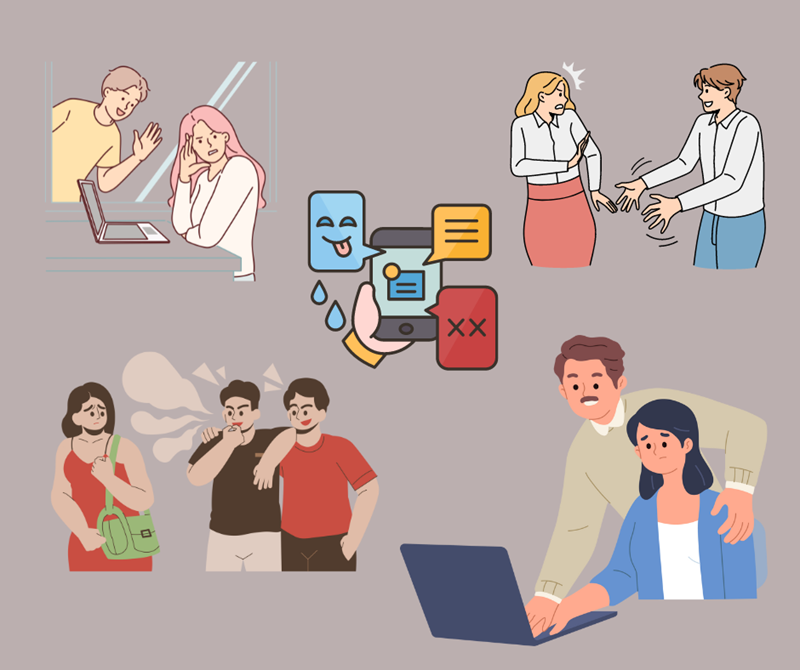
Sexual harassment by physical conduct manifested through unwanted contact, or intentional touching, ranging from groping, fondling, pinching, hugging or kissing to sexual assault.
Verbal sexual harassment manifested by socially and culturally inappropriate and unwanted comments with sexual overtones such as sexually suggestive jokes or comments about a person’s clothing or body in their presence or directed towards them. This includes unwanted advances and requests, repeated personal invitations to go out without the other person accepting them, or offers, requests, or suggestions to exchange sexual favors for favors or promises.
Nonverbal sexual harassment is expressed through unwanted actions such as provocative body language, inappropriate expressions, suggestive looks, constant winking, finger gestures, etc. This includes the display of sexually explicit material, pictures, objects, computer screens, or posters, as well as sexually explicit emails, notes, and text messages.
Forms of sexual harassment in schools. Source: EZ LAW
When the “darkness” is closer than we think
The phenomenon of outsiders who are men entering the lecture hall pretending to be students, mistakenly entering the women’s restroom, or passing through the lecture halls at night with impure intentions, intentionally touching and then running away… is also an act of sexual harassment in the lecture hall. Students need to be vigilant, condemn and denounce these acts, and should not ignore the above ethical violations.
The above are some typical situations where victims bravely speak up or send questions for support. However, there are still many cases where victims of sexual harassment choose to endure in silence. What is alarming is that sexual harassment acts, even if they only last for a short period of time, can leave deep emotional wounds, causing them to suffer severe psychological trauma. RAINN (an organization against sexual violence) said that victims of sexual harassment can suffer from physical and mental health problems, such as headaches, eating/sleeping disorders, anxiety, depression or post-traumatic stress disorder (PTSD). Keeping the pain hidden not only affects the personal development of each victim, but also inadvertently creates conditions for this social problem to become more serious.
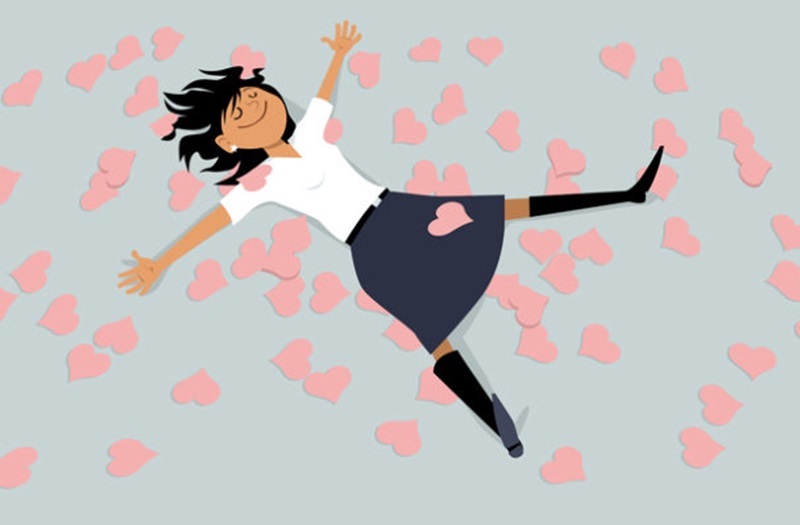
Sexual harassment will negatively affect the victim’s spirit. Source: Pinterest
Students need to remember that the university or office environment has many potential risks of sexual harassment. In addition to the above-mentioned behaviors, in the office, there are also sexual harassment behaviors such as: exchanging, requesting, demanding, suggesting, threatening or forcing sexual relations in exchange for work benefits; or sexual acts that are not intended to be exchanged, but make the working environment uncomfortable and unsafe, causing physical and mental harm, work efficiency and life of the harassed person such as: verbal harassment or touching sensitive areas. The victim can be a long-term employee, a new employee or even an intern. Law