
What is a minimalist lifestyle?
A minimalist lifestyle can be understood as a lifestyle that aims for sustainability, expressed through limiting shopping and hoarding things, keeping only what is really necessary and has value (Kang Jiyun et al., 2021). Or according to the author of the book “Japanese Minimalist Lifestyle” – Sasaki Fumio, a minimalist will truly understand what is necessary for them and only keep what is really important. Simply put, minimalist living is selecting and keeping what is really necessary, has value and brings joy. Besides cleaning up things, minimalism can also be applied to many other aspects of life such as selecting useful and positive information to follow, prioritizing close relationships, or choosing entertainment programs with humanistic and knowledge values.
Minimalism comes from simple choices with clear goals
The values of minimalist living
Improve mental health
First of all, a minimalist lifestyle brings practical benefits to mental health. When you don’t have to worry about managing too many things, stress and anxiety will be reduced. In addition, the spirit also becomes freer, more comfortable and happier when not bound by material things. Participants in the study by Lloyd et al. (2020), especially those with children, emphasized that minimizing things helps them save time because they have to clean and organize less, which contributes to a sense of freedom and comfort. Research by Kang Jiyun et al. (2021) also showed that a minimalist lifestyle will help increase positive emotions, while reducing negative emotions.
Improve financial situation
A minimalist lifestyle also brings benefits in terms of finance. Author Sasaki Fumio shared in the book Japanese Minimalist Lifestyle that the habit of buying selective and useful items will help reduce shopping costs, thereby, the money saved can be used for more legitimate purposes such as investing in studying, traveling, real-life experiences, etc.
Environmental protection
Not only stopping at personal benefits, minimalist lifestyle also contributes to environmental protection. By limiting the consumption of unnecessary products, consumers can reduce the amount of waste from packaging and unsustainable products. Prioritizing the choice of recyclable products, with clear origins and environmentally friendly is also a practical action to protect the “common home” called the Earth. Moreover, a minimalist lifestyle also helps save energy by reducing the need to produce and transport goods. All of these contribute to creating a green, clean and sustainable living space for current and future generations.
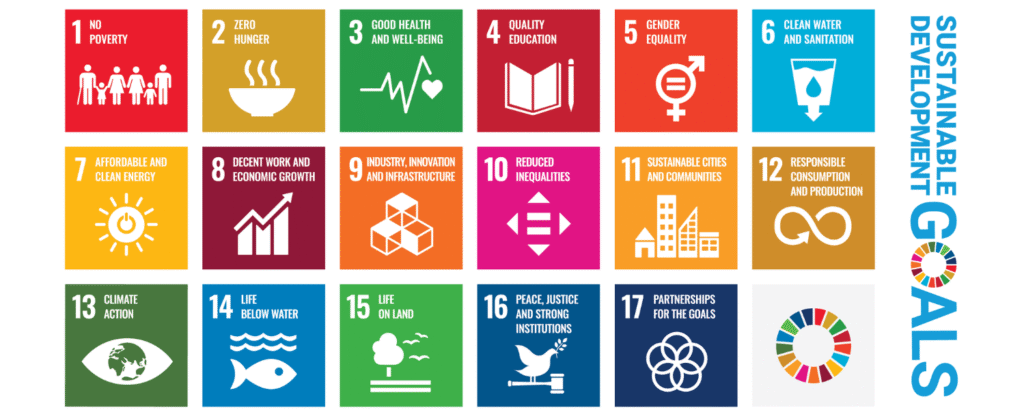
In the context of the global promotion of sustainable development through the 17 Sustainable Development Goals (SDGs) of the United Nations, simplifying lifestyle will contribute significantly to this journey. Minimalism is closely related to SDG No. 12: “Responsible consumption and production” by encouraging conscious shopping, reducing waste and consuming resources efficiently. In addition, the development of the minimalist consumption trend will encourage manufacturers to seek suitable and sustainable production methods (Kang Jiyun et al. , 2021). In addition, through its positive environmental impacts, a minimalist lifestyle also contributes to SDG 13: “Climate Action” and SDG 3: “Health and Happiness” through its mental benefits.
Tips for practicing minimalism for students
For students, practicing minimalism can start with small things but bring surprising results. This article will provide basic instructions for students to start minimizing their lives based on references from the book “Japanese Minimalist Lifestyle” (Sasaki Fumio, 2017) and the series “Tidying up with Marie Kondo” (2019) and “Sparking joy with Marie Kondo” (2021).
Organize your room neatly
First, organize your room neatly. Make the most of the space by using multi-purpose shelves and cabinets. Arrange furniture in a lid, science not only helps you easily find and use things, but also creates a comfortable, relaxing feeling for the living space. Regularly cleaning the room is also a way to keep the space clean, airy, contributing to improving health and spirit.
Minimize personal belongings
Next, minimize personal belongings. For clothes, choose basic sets that are easy to coordinate and can be worn on many different occasions. This helps save space in the wardrobe and reduces the time spent choosing outfits every day. For books, only keep those that are really necessary for studying, you can sell or donate books that are no longer used. School supplies should also be purchased intelligently, prioritizing quality products that can be used for a long time.
When quality is more suitable than quantity. Photo source: Internet
Budgeting and shopping