
The Importance of Social Policies
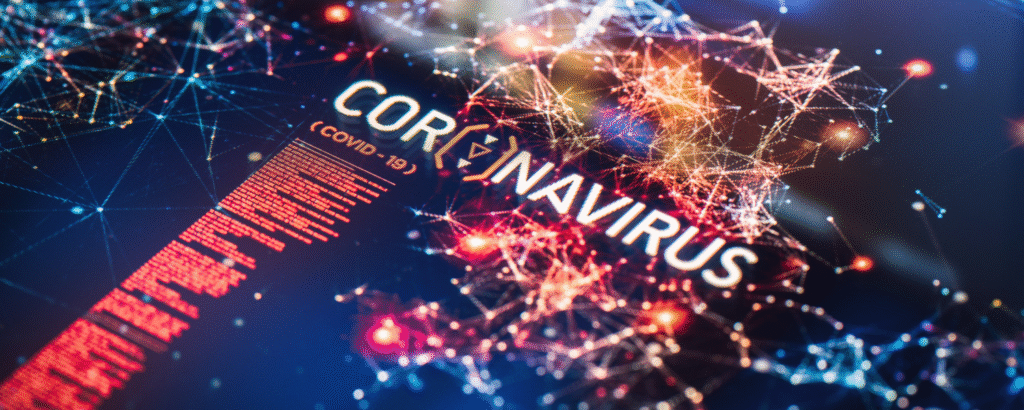
The Covid-19 pandemic – an infectious disease pandemic – has caused the most serious public health crisis in Vietnam and globally. With its rapid spread and wide range of infection, the Covid-19 pandemic has caused negative impacts on the country’s socio-economic development and people’s daily lives. Facing these challenges, the Government and socio-political organizations in Vietnam as well as many countries around the world have established strong command and control mechanisms, and conducted responses to respond to the crisis to control the epidemic, protect the health of people as well as community groups globally. These measures have been effective to varying degrees in the outbreaks of the pandemic. Governments of countries have proactively implemented many important policies in the medical and non-medical fields such as: travel restrictions, quarantine blockades, declaring a state of emergency, using curfews, implementing social isolation, canceling crowded events, closing schools and less important service and business establishments, encouraging people to raise their awareness of disease prevention, wearing masks, limiting going out when not necessary, and at the same time converting business, study and work models from traditional to online… However, although medical and non-medical measures are very important to control the spread of the pandemic when there is not enough vaccine, they cannot have a positive effect without the synchronization of social policies (CSXH) (including social security policies (ASXH), social subsidies…) to relieve anxiety about financial burdens for medical examination and treatment and stabilize life. Tightened medical and non-medical measures cause a lot of losses to people when their livelihoods are not guaranteed. Those losses are inversely proportional to their willingness to comply with and their consensus on medical measures when the epidemic is prolonged and difficult to control. On the contrary, if medical and non-medical measures are not strong enough to force people to keep their distance despite adequate livelihood support, it will also lead to an uncontrollable spread of the epidemic.
In 2020, Vietnam did not pay much attention to social support policies because it was successful in controlling the epidemic. But in the fourth outbreak (starting on April 27, 2021), the situation was different. Continuing to maintain the lockdown became increasingly challenging when people did not have the basic conditions to stay at home. Keeping a distance became secondary to the urgent need to live and survive, so people found ways to disobey the regulations on social distancing to make a living.
Socio-economic impacts of COVID-19
* Economic impacts
The COVID-19 pandemic has contributed to the global economic recession. Restrictions and lockdowns have disrupted global supply chains, affecting production, exports and investment. Many countries have recorded large GDP declines, increased unemployment and reduced workers’ incomes.
Restrictions and business suspensions have reduced international trade. Export industries, especially textiles, tourism and freight transport, have suffered heavy losses. The COVID-19 pandemic has caused great fluctuations in financial and stock markets. Stock values and stock indices have fallen sharply, causing instability and losses for investors and investment funds. Many countries have had to increase spending and provide economic stimulus packages to minimize the negative impacts of the pandemic. This leads to increased public debt and puts pressure on the national budget in the long term.
* Social impact
The COVID-19 pandemic has caused a public health crisis, putting great pressure on the health care system. Hospitals and health facilities are facing overload and shortages of medical resources. Social restrictions such as social distancing, lockdowns and travel bans have caused isolation and limited social activities. This has an impact on psychological well-being, causing stress and affecting social connection.
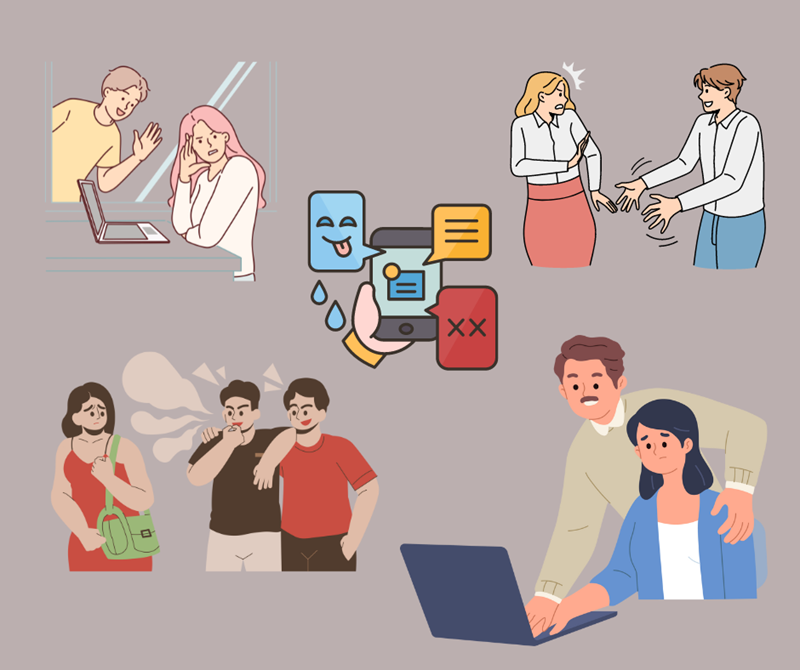
In the education sector, COVID-19 has caused thousands of schools to close globally, causing disruptions in the education system. The transition to online and distance learning has created challenges for students, teachers and parents. In addition, social restrictions and economic hardship have created a favorable environment for crime and domestic violence. The isolation and stress of the pandemic can lead to increased crime and domestic violence. In addition, COVID-19 has caused serious psychological impacts, including anxiety, stress, depression, and psychological distress. Worries about health, the economy, and the future have affected the psychological state and mental health of many people.
Social policy responses in the United States, India, and Germany to the COVID-19 pandemic
* United States
During the COVID-19 pandemic, the federal government dominated social policy because states lacked resources